
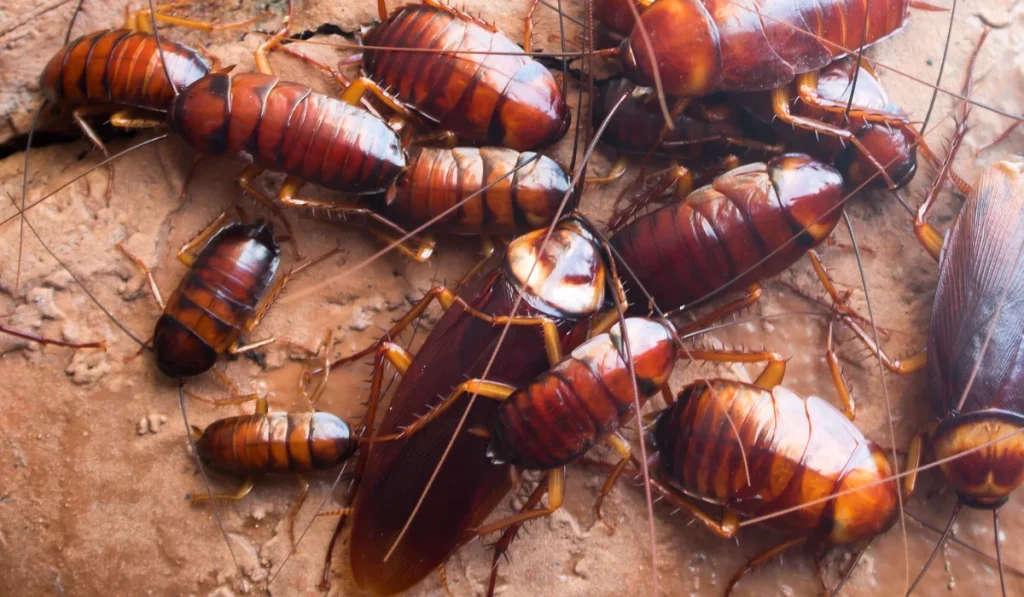
Cockroaches are some of the hardest household pests to control in Georgia. They can invade many spaces and still find ways to stay alive. Many homeowners ask how cockroaches live so long without food or water, and why they are hard to remove.
The answer comes down to their toughness and ability to adjust. Even the average cockroach can live a long time without food. Their survival tactics make DIY control harder, so many Georgia homeowners turn to professional cockroach control for long-term results.
Key Takeaways
- Cockroaches can live about a month without food and about a week without water.
- Their hidden food sources make them difficult to control.
- Kitchens, bathrooms, and basements create ideal conditions for a cockroach infestation.
- Cockroach allergens can trigger asthma and breathing problems.
- Regular pest control and sealing entry points help stop future infestations.
How Long Can Cockroaches Live Without Food?
Most species of cockroaches can live about a month without food if they have water. Their bodies store energy from past meals, helping them live when food is scarce.
Nutritional Reserves and Food Sources
Cockroaches eat almost anything. They feed on crumbs, human food, pet food, grease, droppings, and even book bindings. They also eat glue, soap, and other organic matter. A few crumbs under an appliance can keep a baby cockroach alive long enough to grow.
That is why regular cleaning and pest control services help prevent cockroach problems.
Species Differences in Food Survival
German cockroaches, a common indoor species, can live about 30 days without food but less than a week without water. The American cockroach, often found near drains and sewers, can live up to 45 days without food.
Oriental cockroaches prefer damp crawl spaces and basements, while the brown-banded cockroach prefers dry, high areas like attics or behind picture frames. These species can adjust to conditions and survive without food longer than many household pests.
Temperature and Shelter
Cockroaches survive best in ideal conditions, such as warm, dark areas with steady humidity. When temperatures drop, their bodies slow down and use less energy. In Georgia, that often means hiding in wall voids, basements, or under appliances during the colder months.
These areas provide shelter and quick access to food when it returns.
How Long Can Cockroaches Live Without Water?
Cockroaches need water more than they need food. Without water, many cockroaches die within about a week, though this depends on species and conditions. Higher humidity helps them last longer before dehydration.
Dependence on Moisture and Dehydration
A cockroach’s open circulatory system and soft body segments make them lose water quickly. Dehydration happens fast when humidity drops or when leaks dry out. Even small water sources like a dripping faucet, condensation, or a pet’s water dish help them survive longer.
Environmental Factors and Water Sources
German cockroaches prefer kitchens and bathrooms, where leaky pipes or damp sponges provide moisture. American cockroaches often live in sewers or basements, while oriental cockroaches thrive in cool, wet areas.
When areas are dry, cockroaches drink water from organic matter, spills, and damp fabrics.
Adaptability and Behavior
At night, cockroaches search for water in crevices and drains. During the day, they stay hidden. In humid spaces like kitchens or laundry areas, cockroaches can live longer without direct water because moisture is in the air.
What Their Survival Means for Your Home
Because cockroaches can survive for long periods without food or water, even clean spaces can develop a problem. Removing hiding spots and water sources matters just as much as removing food.
Kitchens and Bathrooms
These are common areas where cockroach infestations begin. Nymphs and egg cases hide under sinks, behind dishwashers, or inside wall voids.
Once German cockroaches find steady food, they multiply fast. A small problem can turn into a large cockroach infestation if conditions allow.
Basements, Crawl Spaces, and Voids
Basements and crawl spaces with high humidity are perfect for American and oriental cockroaches. Even a small pipe leak can support a colony. Sealing entry points, improving airflow, and keeping these areas dry are simple control methods that help a lot.
Allergens and Health Impact
Cockroach droppings, shed skins, and egg cases can release allergens that worsen asthma and breathing problems. Over time, these allergens build up on furniture, in vents, and on floors. Professional pest management helps reduce cockroach activity and the allergens they leave behind.
Schedule a Cockroach Inspection in Georgia
At Smart Solutions Pest Control, we provide professional cockroach control services designed to target infestations and reduce the risk of future activity in Georgia homes and businesses. Exterminators use proven control methods to target cockroaches where they hide.
For ongoing protection, contact us today to schedule a professional inspection and discuss your treatment options. These services help control infestations and prevent their return.
FAQs
How do I know if I have a cockroach infestation?
You may see droppings that look like coffee grounds, egg cases, or notice a musty odor. Seeing a cockroach during the day can mean a larger hidden infestation, especially with German cockroaches.
Can cockroaches live longer in humid environments?
Yes. High humidity slows dehydration and helps cockroaches live longer without food or water. That’s why basements and kitchens often have recurring infestations.
What’s the best way to get rid of cockroaches?
Cleaning and sealing entry points helps, but professional pest control is often more effective. Integrated pest management strategies target cockroach infestations and help reduce repeat problems.


