
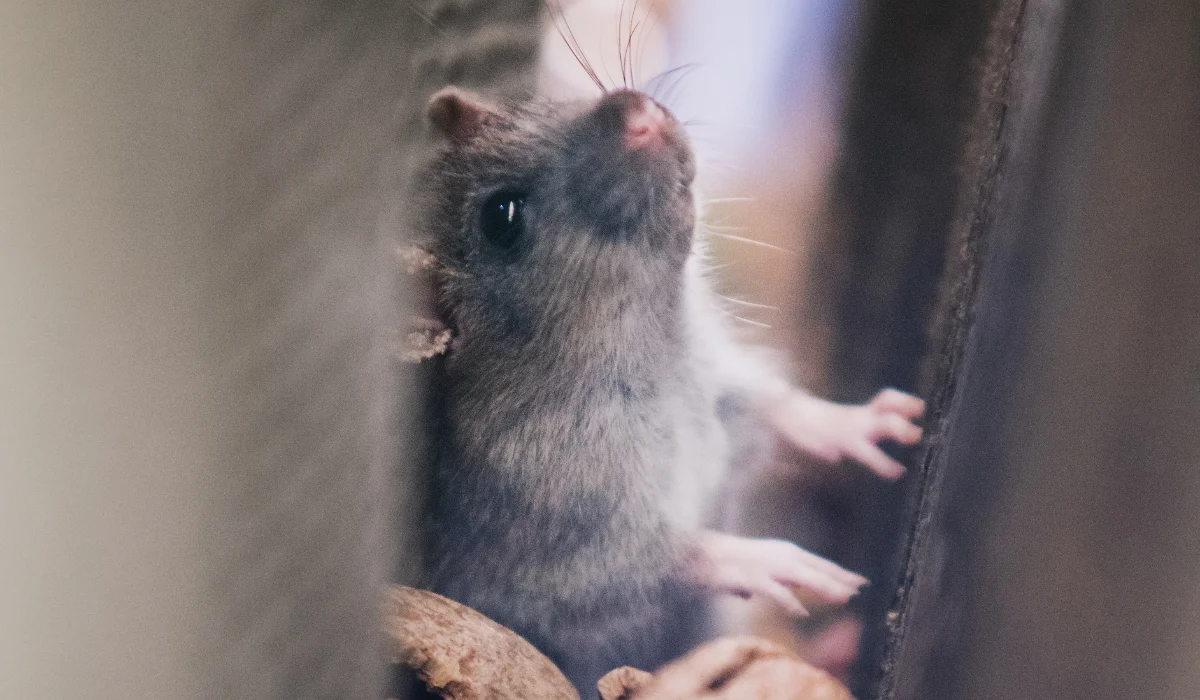
Hearing scratching or scurrying behind your drywall often means mice are inside your walls. Mice look for warmth and food inside homes across Atlanta, Roswell, and Marietta when temperatures drop.
So, are mice in the walls dangerous? Yes. Mice chew drywall, insulation, and electrical wires, causing house fires. Their droppings and urine spread bacteria and viruses that can make your family sick.
At Smart Solutions Pest Control, minor mouse problems often grow into full infestations within weeks. This guide explains the risks, warning signs, and how professional pest control removes mice safely and permanently.
Key Takeaways
- Mice chew drywall, insulation, and electrical wires, which can cause house fires.
- Mouse droppings and urine can spread bacteria and viruses, including hantavirus and Salmonella.
- DIY repellents and traps may help for a short time, but professional mice control removes the entire infestation.
- Smart Solutions offers rodent and pest control plans for year-round protection in Georgia.
Video Guide: Mice 101
This short video explains how different mouse species build nests, reproduce, and find entry points in homes. Watching it helps you recognize early warning signs, identify nesting materials, and determine which control method is most effective before an infestation becomes out of control.
Why Mice in Walls Are Dangerous
Mice in the walls are not just a minor problem. They constantly chew to keep their teeth short. This chewing damages drywall, insulation, and electrical wires. Damaged wiring increases the risk of electrical problems, especially in older homes.
Mice contaminate your living space with droppings and urine. These waste materials carry bacteria and viruses that cause diseases such as hantavirus and leptospirosis. When droppings dry, they release tiny particles into the air that can cause breathing problems and allergies.
Mice also raid pantries and chew through food packaging. They gnaw holes in cabinets and baseboards to reach snacks or pet food. One or two mice can turn into dozens within a few months.
Mice can also bring other pests into your home. Fleas, mites, and insects often follow rodents indoors. A dead mouse inside a wall can create strong odors that attract insects.
That’s why we provide humane mice removal services. We remove the mice, clean affected areas, and close gaps to help prevent future activity.
Common Signs of Mice in Your Walls
If you suspect you have mice in your walls, several clues can confirm it. The most obvious are scratching sounds or faint tapping behind your drywall at night. Other common signs of mice include:
- Small black droppings near baseboards or cabinets
- Chew marks on cords, furniture, or food packages
- Nests made from shredded paper, fabric, or insulation
- A strong, musky smell near walls or vents
- Greasy rub marks along walls
You may also see a live or dead mouse near appliances or pantries.
If you notice these signs, take action right away. Cleaning droppings or nests without protection can expose you to harmful bacteria. We use protective gear and professional-grade disinfectants for safe cleanup.
The Health Risks of a Mouse Infestation
A mouse infestation is more than an annoyance. It is a health risk.
Hantavirus is the most serious illness spread by mice. People can get it by touching contaminated droppings or inhaling contaminated dust. Mice also spread Salmonella and other bacteria that cause stomach illness.
If mice move through air ducts, their droppings can spread particles through your home and make cleanup harder.
Mice also carry fleas and mites that bite people and pets. These pests can spread quickly through carpets and furniture.
Our team follows strict safety steps during cleanup. We wear protective suits, use HEPA vacuums, and apply disinfectants to remove bacteria and odors. After cleanup, we repair damage and seal openings to restore your home’s safety.
How Mice Enter Homes in Georgia
Even small cracks can become entry points for mice. They can squeeze through holes the size of a dime and climb rough surfaces to reach attics and roofs. Common entry areas include:
- Gaps under doors
- Openings around plumbing lines
- Roof vents
- Foundation cracks
- Damaged vent screens
Homes with crawl spaces or older foundations often have unsealed gaps that allow rodents to enter.
Mice seek easy food and safe nesting sites. Open garbage bins, unsealed cereal boxes, and pet food left out overnight attract them. Once they find shelter, they settle in quickly.
We inspect your property to find weak spots. We seal openings with steel wool, wire mesh, and strong caulk. We also recommend storing food in sealed containers, cleaning spills quickly, and reducing clutter.
How to Get Rid of Mice Safely
When you discover signs of activity, don’t wait. A single mouse can lead to a larger infestation within weeks.
DIY methods can help in the short term. Setting snap traps baited with peanut butter is an effective method for small infestations. The University of California Agriculture and Natural Resources recommends placing baited but unset traps in active areas for several days until mice eat the food each night.
Place traps along walls, under sinks, and near nesting areas.
Natural repellents, such as peppermint oil or ultrasonic devices, may provide short-term results. Avoid placing poison inside walls. A dead mouse behind drywall can create strong odors and attract insects.
Our professional process includes:
- Inspecting crawl spaces, attics, and walls
- Placing traps in active areas
- Removing nesting materials
- Cleaning and disinfecting affected spaces
- Sealing all entry points
- Scheduling follow-up visits if needed
If you are unsure whether to handle the issue yourself, our team can assess the situation and recommend the best course of action.
Why Professional Pest Control Works Best
DIY methods may reduce signs of mice, but they often miss hidden nests. A professional inspection finds nesting areas, damage, and hidden access points.
We use specialized cameras and tools to locate mice inside walls and ceilings. We track droppings, chew marks, and nesting materials to understand their movement patterns.
After removal, we treat odors and repair damaged drywall or insulation.
Our SmartGuard plan provides ongoing monitoring. It includes coverage for pests, rodents, and termites, with routine inspections. It also covers ants, fleas, termites, bed bugs, and other pests that often appear with rodents.
This program helps maintain a pest-free home year-round.
Making the Right Mice Control Choice for Your Georgia Home
Mice problems rarely stay small. What starts as a faint sound inside a wall can quickly turn into structural damage and ongoing stress for homeowners. Acting early helps limit disruption and reduces the time and cost involved in resolving the issue.
At Smart Solutions Pest Control, we provide thorough inspections and customized treatment plans designed for Georgia homes. Our team focuses on long-term solutions so you can return to normal routines without constant worry about recurring rodent activity.
Contact us today or request a free quote to schedule your inspection. Same-day appointments are available in Atlanta, Alpharetta, Roswell, and surrounding areas.
FAQs
How do I know if I have mice in my walls in Atlanta?
Listen for scratching or scurrying sounds, look for droppings, and check for chew marks on food packaging or furniture. Mice often travel through crawl spaces and air ducts. Smart Solutions offers detailed inspections to identify hidden infestations.
Are mice in my home’s walls dangerous to my health?
Yes. Mice carry hantavirus, Salmonella, and other diseases spread through feces and urine. Our pest control team provides safe cleanup, disinfection, and exclusion services across Georgia.
How can I keep mice from coming back?
Seal all entry points using steel wool or caulk, store food in airtight containers, and remove clutter to reduce hiding spots. Schedule regular pest control visits or join SmartGuard for complete rodent and termite protection.




